Good Coffee Company
Posts
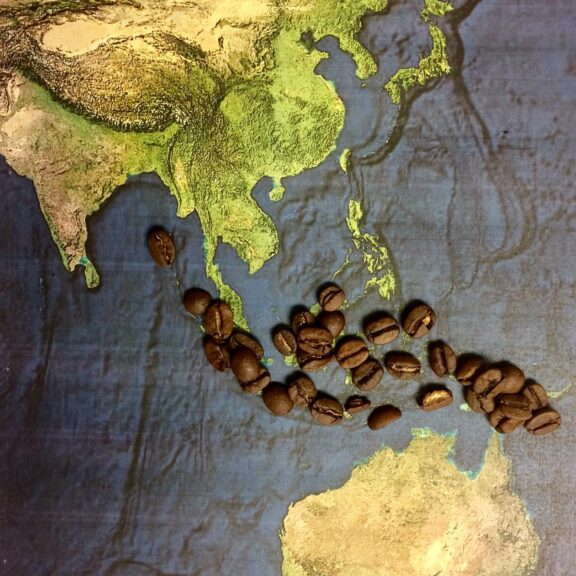
Coffee by Region: Indonesia
If you’re looking for a full-bodied, earthy and herbal cup of coffee, you can’t go wrong with an Indonesian coffee.
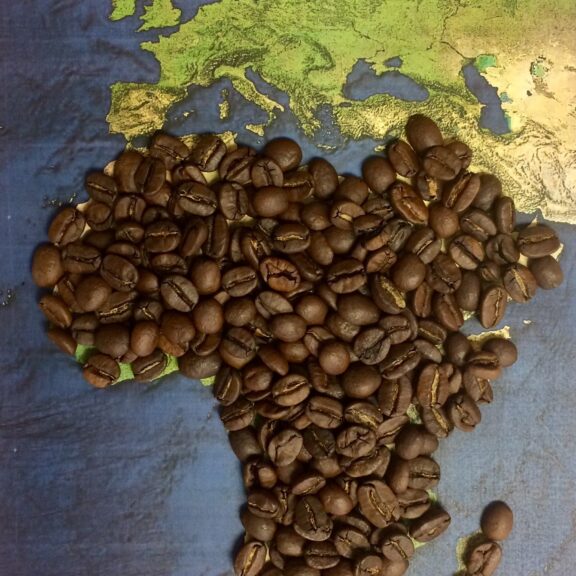
Coffee By Region: Africa
Coffees tend to have some similarities depending on the region where they are grown. African coffees, for example, tend to evoke hints of wine, fruit, and earthiness. Differences in coffee variety, processing, roasting, and even brewing method will affect the final flavor, but generally speaking, if there’s a trait you like about one coffee from a particular region, it’s a good bet you might enjoy something else grown in a similar location (or processed in a similar way).
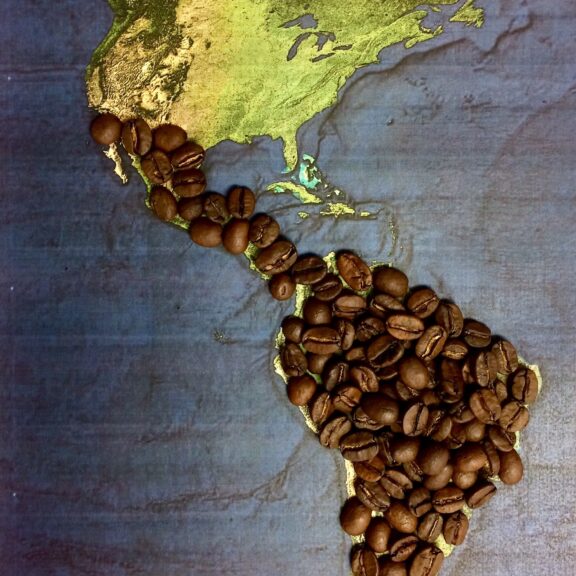
Coffee By Region: Central and South America
Makes sense, right? Central and South American coffees tend to share similarities with other Central and South American coffees! Occasionally sweet, often citrusy, coffees from the Americas are a joy to drink!

How to Make Coffee Using a French Press
The French Press gives the impression of being the ‘fanciest’ method for making coffee. You know your host is a true coffee lover if they whip out the French Press in the morning. Using a French Press takes a bit of patience, and a bit of know-how, but once you’ve perfected your method, it yields a fantastic cup of coffee, with far richer flavor than you would find with a drip coffee brewer.
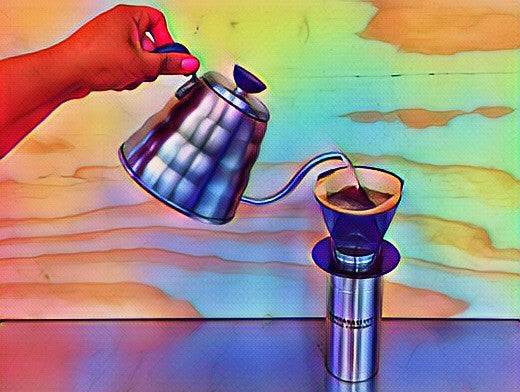
How to Brew Coffee Using the Pour Over Method
Pour Over Coffee is all about enjoying and celebrating the process of making coffee. With only a little practice, you will be able to make a flavorful cup of coffee that comes out just the way you like it.
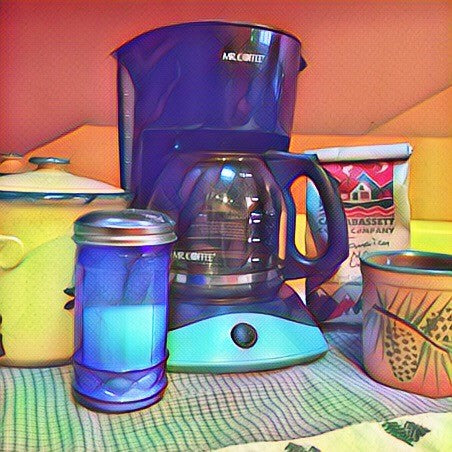
How to Brew Coffee Using a Drip Coffee Pot with a Paper Filter
You may be surprised at how many people buy coffee out of the house, at a coffee shop, every morning because they think it’s too hard to make good coffee at home. Believe it or not, getting a good brew out of your drip coffee pot is usually just a matter switching up your method a little bit. If you like your coffee strong and robust, but your drip pot is producing an anemic, sad cup, take a look at a few different factors…

How to Brew Coffee Using a Keurig Machine and Reusable Pods
Everybody agrees that a Keurig* machine is convenient for brewing a single cup of coffee. It’s quick, and some would say ideal for a business environment. Carrabassett Coffee is not available in pre-made, disposable K Cups, but as long as your coffee is ground correctly (choose foil filter if we are grinding for you), refilling a pod only takes seconds.
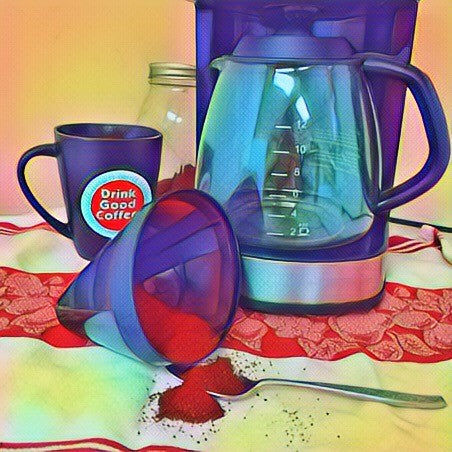
How to Brew Coffee Using a Metal (Foil) Filter
Nobody wants to wake up on a Sunday morning to find they can’t make coffee because they forgot to purchase filters! Foil filters are, in the long term, more economical, and better for the environment, as they can be used over and over again.
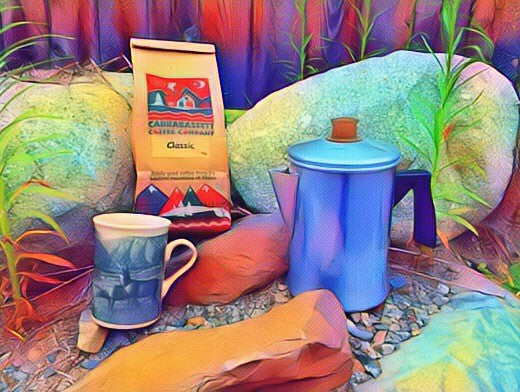
How to Brew Coffee Using a Stovetop Percolator
A stovetop percolator can seem intimidating: descriptions of over-extracted or burnt, bitter coffee might lead you to try an “easier” method of coffee brewing but those who know the tricks and secrets to a great cup of percolator coffee swear it’s the best cup of coffee you can make.
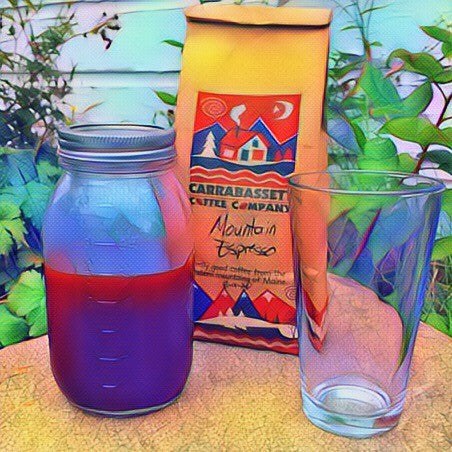
How to Make Cold Brew Coffee
Summer days beg for a good cup of iced coffee. While it is certainly possible to brew hot coffee, then refrigerate it and pour over ice, making cold brew at home is so simple, you might as well impress your friends (and your taste buds) with a tall glass of cold-brewed Carrabassett Coffee!

Call-Ahead Service for In-Person Customers
Due to recommendations from the CDC regarding limiting the risk of exposure to COVID-19, we are currently offering call-ahead pickup service. Our goal is to provide you with the very best service, while limiting contact in order to maintain the health and safety of both our customers and our staff. Please call 207.265.2326 or 888.292.2326 at […]
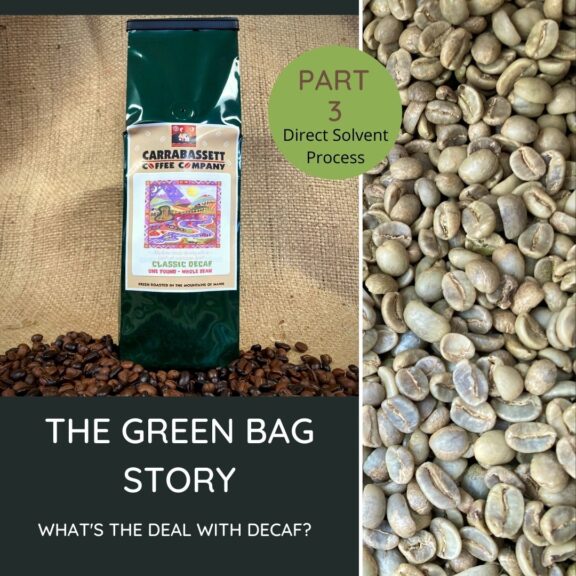
The Green Bag Story: Decaf Coffee (part 3)
Part 3: Direct Solvent ProcessThe biggest challenge in decaffeinating coffee is removing the caffeine without a loss in resulting flavor. It’s very easy to accidentally take out the oils, sugars, and proteins found in a coffee bean along with the caffeine, if one is only using water. The solvents target the caffeine, while leaving behind the flavor molecules which lead to a bold and distinct decaffeinated cup of coffee.